
Cat Lifestyle
Every cat has its own personality, but all cats need the right care to stay healthy and happy. Understanding cat lifestyle makes it easier to meet your cat’s daily needs, from food and sleep to play and exercise.
The lifestyle of a cat changes with their age, health, and living environment. When you know what your cat needs it helps them to enjoy a longer, healthier and more active cat life.
This guide explains everything you need to know about cat habitat and lifestyle, daily habits, sleep, exercise, nutrition, life stages, and lifespan. It also shares practical tips to help you enjoy a rewarding life with a cat while giving your pet the care it deserves.
Shop the collection
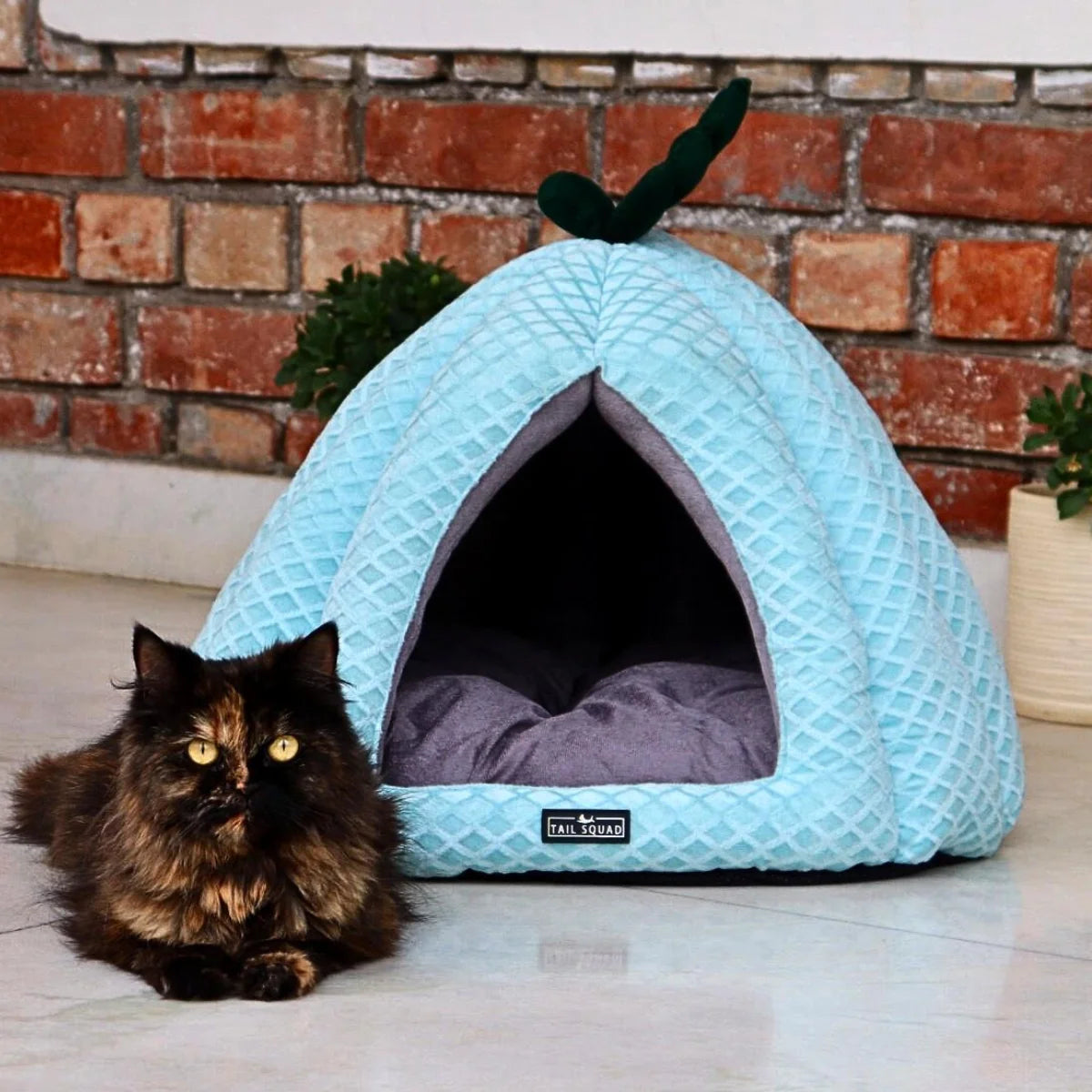



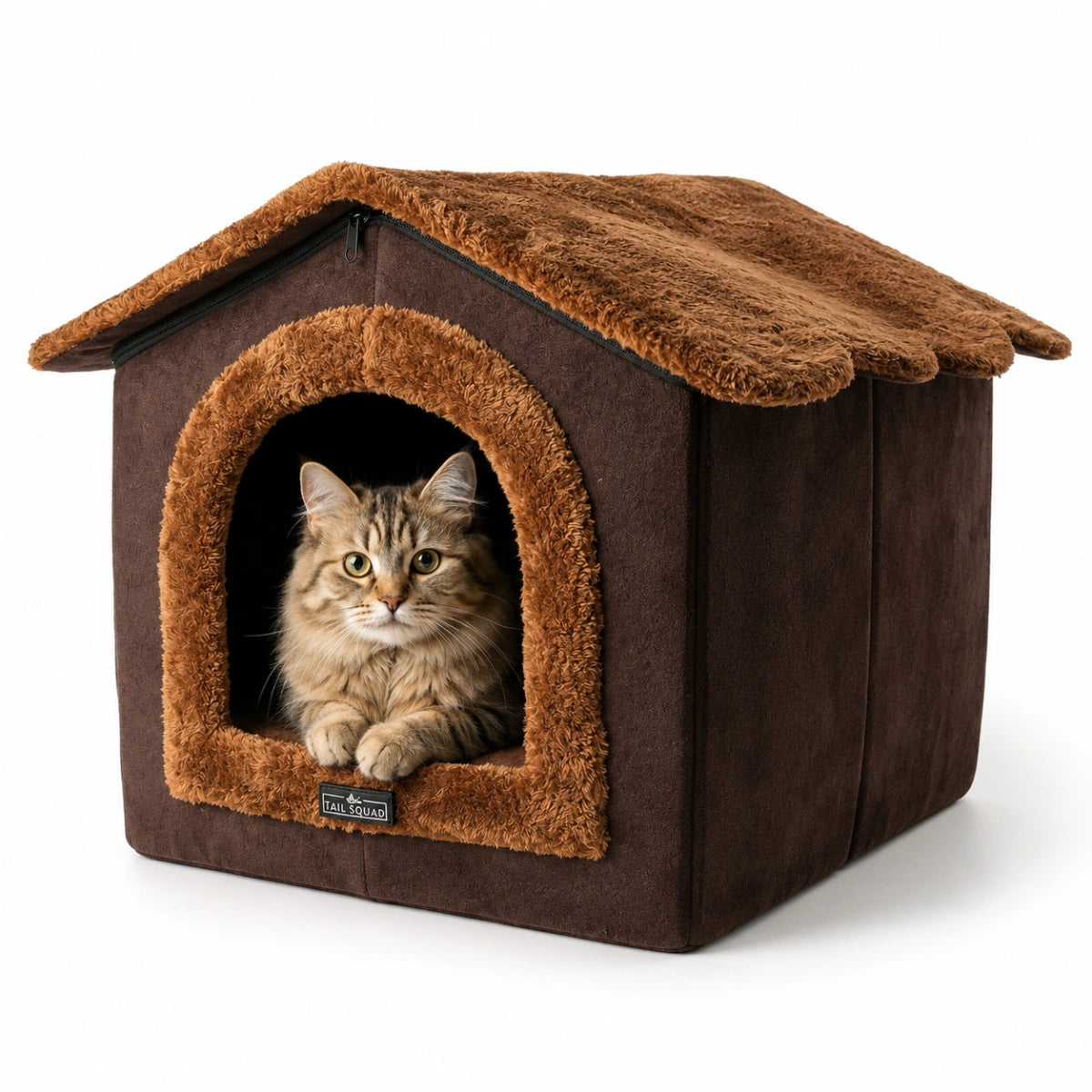

At Cat House, we give practical guides for cat parents to understand the stages of a cat’s life.
Understanding the Lifestyle of a Cat
The lifestyle of a cat is built around four basic needs: eating, sleeping, playing, and exploring. Although domestic cats have adapted to living with people, they still have many instincts passed down from their wild ancestors.
Cats are natural hunters that enjoy chasing toys, climbing, hiding, and watching the world around them.
A healthy cat life includes:
- Plenty of quality sleep
- Regular play and exercise
- Fresh water available at all times
- Balanced nutrition
- A clean litter box
- Safe places to climb, scratch, and rest
- Daily interaction with family members
Every cat is unique. Some enjoy being around people all day, while others prefer quiet time alone. Understanding your cat’s personality is one of the best ways to improve the life of cats living in your home.
Natural Behaviours That Shape Cat Life
Cats communicate through body language, sounds, and scent marking.
Common behaviours are:
- Grooming your cat daily
- Scratching to keep claws healthy
- Climbing to high places
- Enjoying short play sessions followed by rest
These behaviours are completely normal and form an important part of the cat habitat and lifestyle found in both indoor and outdoor environments.
Cat Habitat and Lifestyle: Indoor vs Outdoor Cats
Where a cat lives affects its health, safety, and wellbeing. Understanding cat habitat and lifestyle helps you create a safe environment that supports natural behaviours. At Cat House, we believe that even a small habit of your cat makes a big difference.
Indoor Cats
Indoor cats live in a controlled environment where they are protected from traffic, predators, harsh weather, and many diseases. This is one reason the average life indoor cat is usually longer than cats that spend most of their time outdoors.
Indoor cats enjoy several benefits:
- Fewer injuries
- Less chance of getting parasites
- A safer place to live
- Easier to maintain a healthy weight
Indoor cats still need things to do. Cat trees, scratching posts, puzzle feeders, and toys help keep them active and prevent boredom.
Outdoor Cats
Outdoor cats have more freedom, but they also face more risks, including:
- Traffic accidents
- Other animals
- Fleas and ticks
- Diseases
- Harsh weather
Some owners let their cats enjoy the outdoors in a secure garden or enclosed cat patio. This gives cats fresh air while helping keep them safe.
Life of a Stray Cat
The life of a stray cat is very challenging. Stray cats may once have lived with people but now survive on their own. They often search for food in neighbourhoods, rely on shelter from abandoned buildings, and face daily risks from traffic, hunger, and illness.
Many stray cats are friendly and may adapt well to living in a home again if properly cared for.
Life of a Feral Cat
The life of a feral cat is different from that of a stray cat. Feral cats have little or no socialisation with humans and usually avoid close contact with people.
They often live in colonies where they work together to survive. Their lives can be shorter because they face constant challenges such as food shortages, disease, harsh weather, and predators.
Community Trap-Neuter-Return (TNR) programmes help control feral cat populations while improving their quality of life.
Daily Routine of a Healthy Cat
A healthy routine is one of the biggest factors in maintaining a balanced cat lifestyle. While every cat is different, most follow a similar pattern throughout the day.
Morning
Many cats are most active in the morning. They often wake up, eat, groom themselves, and explore their surroundings.
Feed your cat at proper time daily with healthy cat food according to their age. Kitten food is for young cats, while senior cat food is for senior cats. Many owners feed both wet cat food and dry cat food for a balanced diet
Midday
After eating and playing, most cats like to rest. During this time, they may:
- Sleep in a sunny spot
- Clean themselves
- Look out the window
- Walk around the house
- Scratch their scratching post
Some cats also enjoy finding hidden cat treats or using simple food puzzles to stay busy.
Evening
Cats are usually more active in the evening. This is a great time for:
- Playing with toys
- Chasing feather toys
- Climbing cat trees
- Spending time with family
Playing every day helps keep cats active and sleep better at night.
Night
Many people ask, do cats sleep at night? Yes, but they don’t sleep all night. Cats often wake up to groom, explore, or play for a short time.
If your cat is active at night, more daytime play and indoor cat exercise can help. A regular daily routine also helps keep your cat healthy, happy, and active.
How Much Do Cats Sleep and Why?
Sleep is an important part of a healthy cat lifestyle. If you wonder how much do cats sleep, the answer depends on their age and health.
Most adults sleep for 12 to 16 hours a day, while kittens and senior cats may sleep 18 to 20 hours. So, if you’re asking how much do cats sleep a day or how much sleep do cats need, sleeping for long hours is completely normal.
Creating a Comfortable Sleep Space
Providing a quiet sleeping area is an important part of caring for your cat.
A comfortable cat sleep bed should be:
- Soft and supportive
- Located in a quiet area
- Away from heavy foot traffic
- Easy to access for kittens and senior cats
- Warm during colder months
Some cats also enjoy sleeping on elevated shelves, window perches, or enclosed beds where they feel protected.
Sleep With Cat: Is It Safe?
Many owners enjoy letting their cat sleep with them. Healthy indoor cats can sleep on the bed if everyone is comfortable with it.
If your cat is very active at night, play with it before bedtime and keep a regular daily routine. This can help your cat settle down and sleep better.
Cat Exercise and Mental Stimulation
Exercise is just as important as sleep. Regular cat exercise keeps muscles strong, supports a healthy weight, and reduces unwanted behaviours caused by boredom.
Indoor cats especially benefit from daily activity because they do not naturally walk long distances like outdoor cats.
Regular cat exercise keeps cats healthy, active, and helps prevent boredom. Indoor cat exercise is especially important for house cats.
A good routine of cats and exercise helps:
- To maintain a healthy weight
- Keep muscles strong
- Reduce stress
- Support natural hunting instincts
For house cat exercise, try:
- Feather toys
- Toy balls or mice
- Puzzle feeders
- Cat trees
- Hidden cat treats
Daily exercise with cat sessions, even for 15 minutes, are enough. A simple cat workout and a few toys help keep both the body and mind active, supporting a healthy cat life.
Nutrition and Healthy Habits
Good food is important for every stage of a cat’s life. Always choose healthy cat food based on your cat’s age and needs. Kitten food helps young cats grow, while senior cat food supports older cats.
Many owners feed both wet cat food and dry cat food for a healthy diet.
Popular brands such as Royal Canin Cat Food, Purina Cat Food, Hill’s Science Diet, IAMS Cat Food, and Whiskas Cat Food offer food for different life stages. The best cat food is one that suits your cat’s age, health, and activity level.
Healthy habits include:
- Fresh water every day
- Feeding the right amount of food
- Giving cat treats in moderation
- Keeping cat bowls clean
- Maintaining a healthy weight
- Regular veterinary check-ups
Good nutrition supports a longer, healthier cat life in years and helps cats stay active throughout every stage of life.
Cat Life Stages: Kitten, Adult, and Senior
A cat’s needs change throughout its lifetime. Understanding each cat life stage allows you to provide the right care from kittenhood to old age.
Kitten Stage (Birth to 12 Months)
Kittens grow quickly and need plenty of sleep, play, and proper nutrition. High-quality kitten food or best kitten food gives them protein and vitamins.
During this stage, kittens learn social skills, build confidence, and develop their personalities.
Adult Stage (1–7 Years)
Adult cats are usually active and need good food, regular exercise, vet visits, and daily play. Keeping a healthy weight also helps prevent many health issues.
Senior Stage (7+ Years)
Senior cats are usually less active and may sleep more. They can also develop joint, dental, or kidney problems as they age.
Senior cat food or cat food for senior cats, along with regular vet check-ups, helps keep them healthy.
Average Cat Life and Lifespan Factors
One of the most common questions new cat owners ask is, “How long do cats live?” While every cat is different, understanding the average cat life can help you provide the best care throughout your pet’s life.
The average lifetime of a cat depends on genetics, nutrition, healthcare, and lifestyle. Today, many well-cared-for indoor cats live much longer than they did in the past.
How Long Do Cats Live?
The average life indoor cat is generally 12 to 18 years, although many indoor cats live well into their late teens or even their early twenties with excellent care.
In comparison, the average life house cat is usually longer than cats that spend most of their lives outdoors because indoor cats are protected from many everyday dangers.
Several factors can affect cats lifetime, including:
- A balanced diet
- Regular vet check-ups
- Vaccinations
- A healthy weight
- Daily exercise
- A safe home
Good care from kittenhood helps your cat enjoy a longer cat life in years.
Life in Cat Years
Many people search for life in cat years, cat life human years, or cat life years to humans.
A simple guide:
- 1 cat year is like 15 human years
- 2 cat years are like 24 human years
- 5 cat years are like 36 human years
- 10 cat years are like 56 human years
- 15 cat years are like 76 human years
- 20 cat years are like 96 human years.
These numbers are only estimates but help owners understand how cats move through different life stages.
Do Cats Really Have Nine Lives? (Myth Explained)
Almost everyone has heard the saying that cats have 9 lives. Many people also search for cat have nine lives, 9 cat lives, or the 9 life of cat.
Cats only have one life. The idea of “nine lives” comes from their good balance and flexible bodies. Their strong muscles and quick reflexes can help them land safely after a fall.
However, cats are not invincible and can still get hurt. A safe home, regular vet care, proper nutrition, and supervised outdoor time help protect your cat and support a longer cat life.
Life with a Cat: Benefits and Responsibilities
Living with a cat can be a wonderful experience. Life with a cat brings love, comfort, and companionship, but cats also need proper care every day.
A good cat owner should:
- Give proper food and fresh water
- Keep the litter box clean
- Visit the vet timely
- Groom the cat when needed
- Spend time playing together
Cats are happiest when they feel safe and loved. So giving them love and care keeps them close to their owners.
Common Lifestyle Mistakes Cat Owners Should Avoid
Small mistakes also affect your cat’s health so avoid-
- Overfeeding – Too much food or too many cat treats can lead to weight gain.
- Not enough exercise – Daily play keeps cats active and healthy.
- Ignoring mental stimulation – Play with them using toys, this will reduce boredom.
- Skipping vet visits – Regular check-ups help find health problems early.
- Changing food too quickly – Introduce new food slowly to avoid stomach upset.
- Skipping grooming – Regular brushing keeps your cat’s coat clean and healthy.
Good daily care helps your cat live a longer, healthier life.
Tips for Keeping Cats Happy, Healthy, and Active
Creating a balanced cat lifestyle doesn’t have to be complicated. Consistent care and attention go a long way in helping your cat enjoy a long and healthy life.
few simple tips are:
- Give your cat the right food
- Play with your cat every day
- Keep clean water nearby
- Clean the litter box regularly
- Add scratching posts
- Help your cat stay fit
- Give your cat a quiet place to sleep
- Spend time together daily
- Use toys to keep indoor cats busy
This will improve the life of cats and also make a good bond with your pet.
FAQs
1. What is the average lifespan of a house cat?
The average lifetime of a cat living indoors is usually between 12 and 18 years. With good amounts of nutrition, regular veterinary care, and a safe environment, many cats live into their late teens or even their early twenties
.
2. How much should a healthy cat sleep?
Most adult cats sleep for 12 and 16 hours each day. Kittens and senior cats often sleep even longer because of their growth and changing energy needs.
3. Can indoor cats live longer than outdoor cats?
Yes. The average life indoor cat is generally longer because indoor cats face fewer risks from traffic, predators, disease, and harsh weather.
4. How much exercise does a cat need?
Most cats benefit from two or three play sessions lasting about 15–20 minutes each day. Regular exercise helps them to maintain a healthy weight.
5. What food is best for a healthy cat?
The best food depends on your cat’s age, health, and activity level.
Always choose complete and balanced food recommended by your veterinarian, and provide fresh water every day.
6. Do cats really have nine lives?
No. The idea that cats have 9 lives is only a myth. Cats have one life, so providing safe surroundings, proper nutrition, and regular healthcare is essential.
Conclusion
Understanding cat lifestyle helps you give your cat a happy and healthy life. A safe home, balanced diet, regular play, and plenty of rest all support your cat’s wellbeing.
By learning about the lifestyle of a cat and following healthy habits, you can enjoy many wonderful years of life with a cat while helping your feline friend stay healthy and active.
At Cat House, we make cat care very easy and simple with the easy guides.