
Cat Grooming Guide
Cat grooming is more than brushing your cat once in a while. It removes loose fur, helps prevent mats, and gives you a chance to check the skin, ears, and nails.
A cat groom includes brushing the coat, trimming the nails, cleaning the ears, checking the skin, and giving a bath only when needed. Just a few minutes each week can make grooming easier for both you and your cat.
Learning how to groom a cat is an important part of responsible pet care. Some cats need only basic grooming, while long-haired breeds, senior cats, and hairless breeds often require more frequent attention. During regular grooming sessions, you can also check for fleas, ticks, cuts, skin irritation, or unusual hair loss before they become serious problems.
Shop the collection
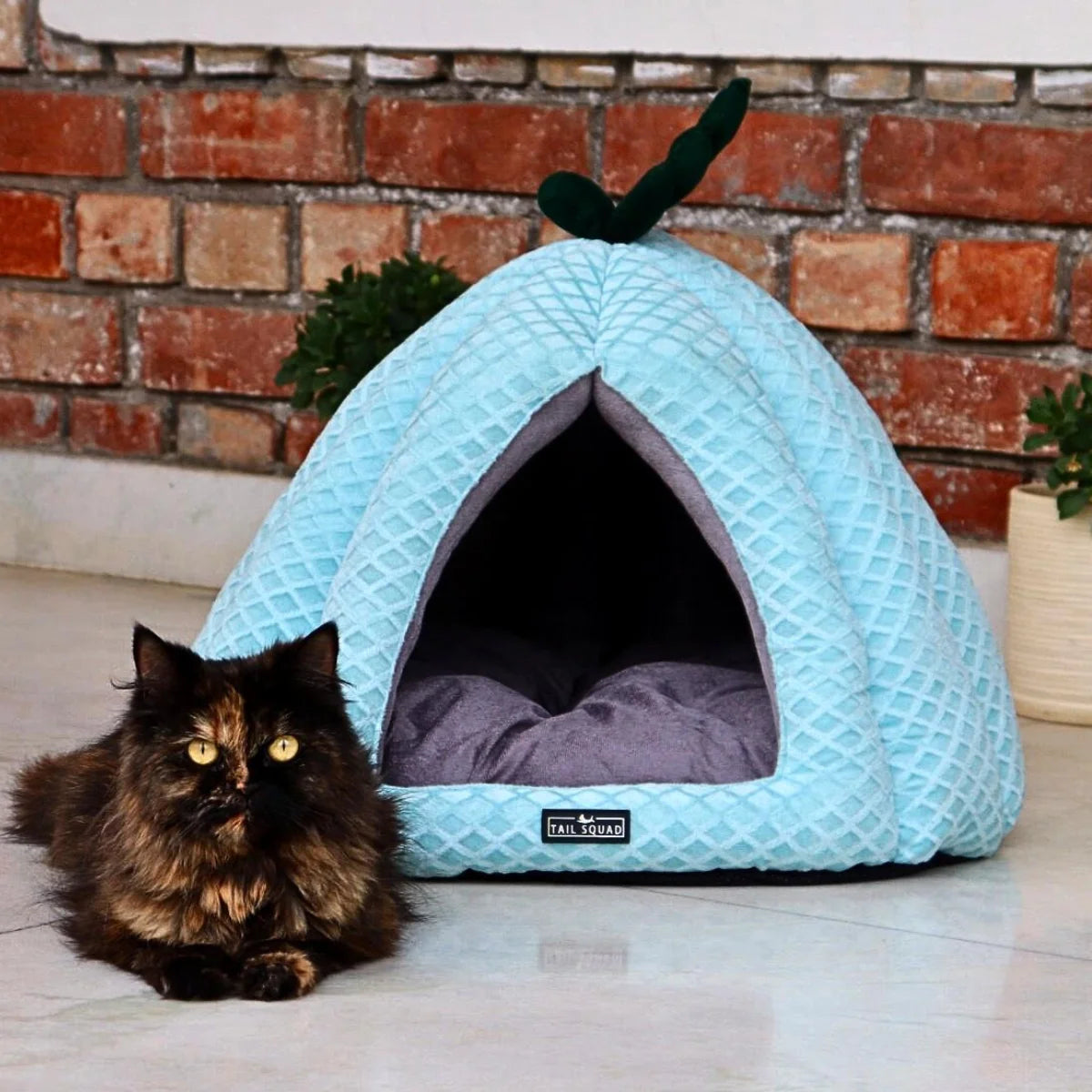
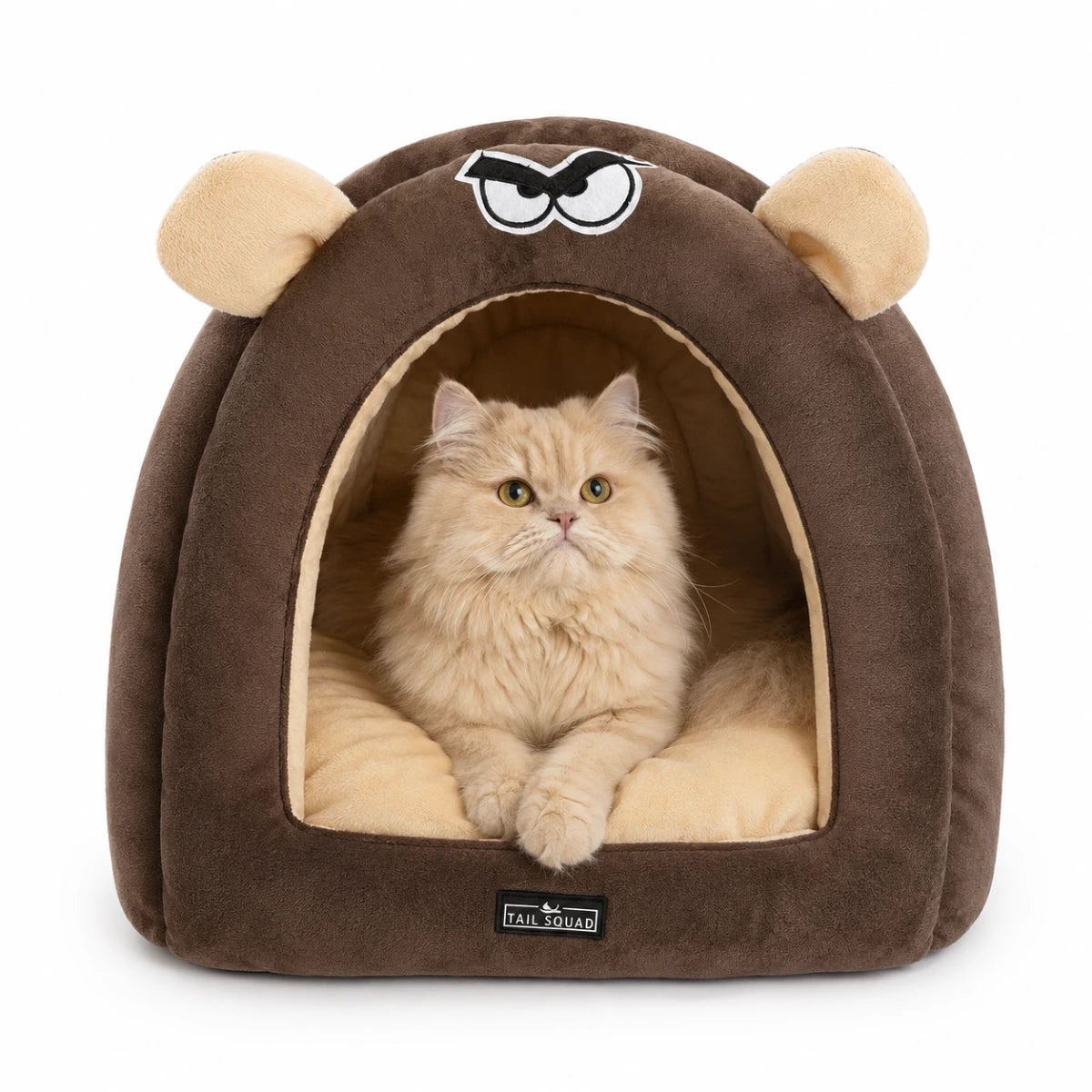


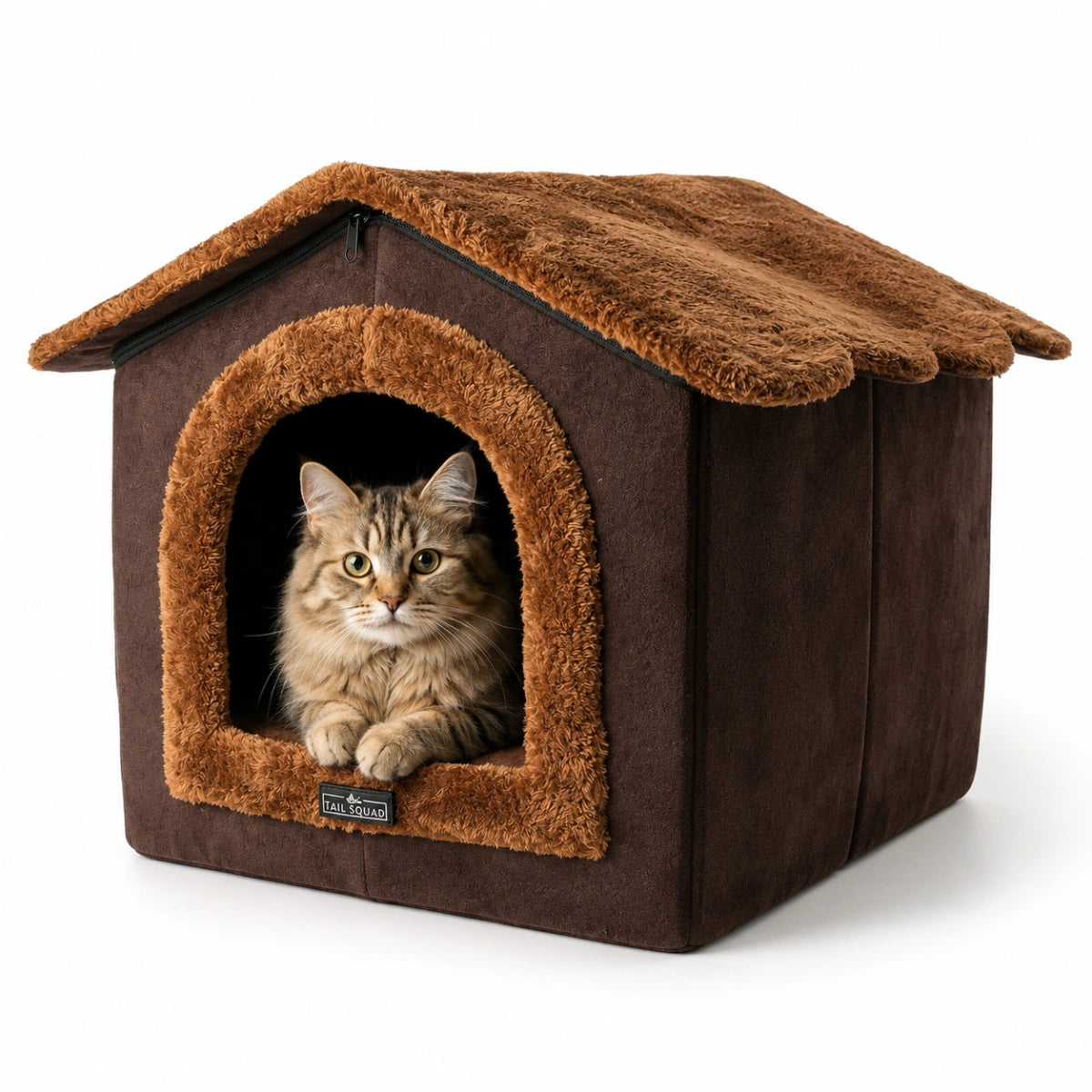

Whether you choose to handle grooming a cat at home or visit a cat groomer for professional cat grooming, following a regular routine helps keep your cat clean, comfortable, and healthy for years to come.
At Cat House, we give grooming guides to help cat parents care for their pets .
Why Regular Grooming Matters
Many people think cats do not need grooming because they clean themselves every day. While self-grooming is important, it does not replace regular care from an owner.
Brushing removes loose hair before it ends up on your furniture or is swallowed by your cat. It also keeps the coat looking neat.
Benefits of Pet grooming for cats :
- Remove hairballs
- Remove tangles
- Helps in reducing shedding
- Make it easier to notice fleas or skin problems
- Keep nail trimming simple
Older cats, overweight cats, and long-haired breeds often struggle to groom themselves properly. They benefit greatly from regular brushing and coat maintenance.
A consistent grooming routine also helps kittens become comfortable with being handled, making future grooming sessions much easier.
Benefits of Grooming Your Cat
Regular grooming cats offers many health and lifestyle benefits. It keeps your pet looking clean while helping prevent common skin and coat problems.
Healthier Skin
Brushing your cat coat helps to remove dirt, loose hair, and dead skin. It also keeps the coat looking clean.
Less Shedding
Regular brushing picks up loose fur before it ends up on your clothes or furniture.
Fewer Hairballs
Brushing helps to remove loose hair before your cat swallows it, which will help to reduce hairballs.
Cleaner Coat
Grooming keeps the coat soft, neat, and free from tangles.
Spot Problems Early
While grooming, you may notice:
- Fleas
- Ticks
- Cuts
- Lumps
- Dry skin
- Hair loss
Better Bond
Many cats enjoy gentle brushing. It is a nice way to spend time together and helps your cat get used to being handled.
How Often Should You Groom a Cat?
The ideal grooming schedule depends on your cat’s coat type, age, lifestyle, and overall health.
- Short-haired cats: Brushing your cat’s hair once or twice a week is a must to reduce shedding.
- Medium-haired cats: Brush two to three times a week to prevent tangles.
- Long-haired cats: Brushing daily or every other day is a must to keep the cat’s cpat healthy.
- Hairless breeds: Clean the skin weekly and bathe regularly to remove excess oil.
- Senior cats: They may struggle to groom themselves so brushing several times is necessary.
Indoor cats also need regular brushing and nail trimming, even if they spend all their time inside. During spring and autumn, increase brushing because most cats shed more heavily.
How to Groom a Cat Step by Step
How to groom a cat becomes easier with practice. Keep the session short and stay calm.
1. Find a Quiet Place
Pick a quiet room and keep your cat grooming supplies nearby.
2. Brush the Coat
Start brushing the cat’s coat from head to tail, behind the ears, under the legs and around the belly.
3. Check the Skin
Look for fleas, ticks, cuts, redness, or any unusual bumps.
4. Trim the Nails
Always be careful not to cut too much, just the sharp tip of the nail.
5. Clean the Ears and Eyes
Wipe the ears with a cat ear cleaner and clean around the eyes with a soft, damp cloth.
6. Bathe Only When Needed
Most cats do not need regular baths. Bathe your cat only if it is very dirty or has been advised by your vet.
7. Give a Treat
Give your cat a treat or some gentle petting after grooming. This can make the next session easier.
Essential Cat Grooming Tools
Using the right cat grooming tools makes grooming easier and more comfortable for both you and your cat. Start with a few essentials that match your cat’s coat type.
At Cat House, we always recommend choosing grooming tools that are best for your cat’s coat.
Cat Grooming Brush
A cat grooming brush is the most important grooming tool. Soft or rubber brushes work well for short-haired cats, while slicker brushes are good for long-haired breeds.
Metal Comb
A metal comb for cat grooming helps remove tangles and reaches the undercoat, making it a great choice for long-haired cats.
Cat Grooming Gloves
Cat grooming gloves are a good choice for cats that do not like brushes. They remove loose hair while you pet your cat.
Cat Grooming Clippers
Cat grooming clippers can safely remove stubborn mats that cannot be brushed out. If mats are severe or close to the skin, seek help from a professional groomer.
Cat Grooming Kit
A basic cat grooming kit should include a brush, metal comb, nail clippers, and a flea comb. These are all you need for regular home grooming.
Choosing quality cat grooming supplies helps keep your cat’s coat healthy and makes grooming sessions quicker and less stressful.
Best Brushes for Different Coat Types
Not all brushes are the same. Choose a grooming brush that suits your cat’s coat to make brushing easier and more comfortable.
Short-Haired Cats
Short-haired cats usually have smooth coats that need light maintenance.
Recommended brushes:
- Soft bristle brush
- Rubber grooming brush
- Grooming glove
- Grooming mitt
Brush once or twice each week to remove loose hair
.
Medium-Haired Cats
Medium-haired breeds need more attention because loose fur can become tangled.
Best tools include:
- Slicker brush
- Pin brush
- Metal comb
Brush two or three times each week.
Long-Haired Cats
Long-haired breeds need grooming daily.
The best grooming tools for long-haired cats include:
- Slicker brush
- Wide-tooth metal comb
- Fine-tooth finishing comb
- Deshedding tool for seasonal shedding
For owners looking at popular products, tools like the Furminator grooming rake for cats and dogs are often used to remove loose undercoats during heavy shedding. Long-haired cat owners may also prefer combs such as the Omnipet wooden handle comb for grooming long haired cats, which help gently work through tangles without damaging the coat.
Hairless Cats
Hairless cats do not need a brush, but they need regular skin care.
You can use:
- A soft cloth
- Cat-safe wipes
- A gentle cat shampoo
This helps keep their skin clean and removes extra oil.
Long-Haired vs. Short-Haired Cat Grooming
Cats need regular grooming, but it all depends on their coat type.
Long-Haired Cats
Long-haired cats need daily or every-other-day brushing to prevent mats and tangles. They are more likely to develop hairballs and may also need regular combing and occasional trimming around sanitary areas.
Short-Haired Cats
Short-haired cats need brushing once or twice a week to remove loose fur and it also helps in reducing shedding, and to keep the coat clean.
All cats also need regular nail trimming, ear cleaning, and skin checks for fleas or irritation.
Breed-Specific Grooming
Every breed has a different grooming need based on their coat type.
Persian Cat Grooming
Persian cat grooming requires daily brushing to prevent mats and tangles. Use a slicker brush, a metal comb, and keep the area around the eyes clean. Professional grooming can also help maintain their long coat.
Siamese Cat Grooming
Siamese cat grooming is easy because of their short coat. A quick brushing every few days with a soft brush or grooming glove is usually enough to remove loose hair.
Ragdoll Cat Grooming
Ragdoll cat grooming takes a little more time because of their long coat. Brush every few days to stop knots from forming, especially around the chest, belly, and tail.
Sphynx Cat Grooming
Sphynx cat grooming is different because they have no fur. Clean their skin, ears, and nails regularly, and give them a bath when needed to remove extra oil.
Professional Cat Grooming Services
Home grooming is enough for many cats, but some need extra care from a trained professional. Professional cat grooming is a good option for long-haired breeds, senior cats, overweight cats, or pets that become badly matted.
If you prefer grooming your cat at home, Cat House gives you an expert guide to do so.
Experienced groomers know how to handle cats safely while keeping stress to a minimum. They also have professional tools that make grooming more efficient.
A professional cat groomer may provide:
- Brushing
- Coat trimming
- Mat removal
- Nail trimming
- Ear cleaning
- Bathing
They can also notice skin problems, fleas, or lumps that you might miss at home.
If your cat dislikes being groomed at home, booking regular cat grooming services can help keep its coat healthy without unnecessary stress.
Mobile Cat Grooming
Mobile cat grooming is a convenient option for cats that become stressed during travel. Instead of visiting a grooming salon, a professional mobile cat groomer comes to your home with the equipment needed for the session.
This service is especially helpful for:
- Senior cats
- Nervous or anxious cats
- Multi-cat households
- Owners with limited time or transportation
Although mobile cat grooming may cost a little more than a salon visit, many owners find it worthwhile because it reduces travel stress and provides a more comfortable grooming experience for their cats.
How Much Does Cat Grooming Cost?
Cat grooming cost depends on your cat’s coat, the grooming services you choose, and where you live. Long-haired cats or cats with mats usually cost more to groom.
Cat grooming prices may be based on:
- Your cat’s fur length
- The type of grooming needed
- Where you live
Choose a groomer who has experience with cats, treats them gently, and has positive customer reviews.
Signs Your Cat Needs Grooming
Your cat may need grooming if you notice:
- Matted fur: Tangled or knotted fur.
- Too much shedding: Loose fur around your home or on your cat.
- Hairballs: More hairballs than usual.
- Dirty coat: The fur looks oily or dirty.
- Long nails: Nails have become too long.
- Dirty ears or bad smell: Ears have wax, dirt, or an unpleasant odor.
Regular grooming keeps your cat clean, comfortable, and healthy.
Excessive Grooming in Cats
Most cats clean themselves daily, but excessive grooming in cats may point to a health issue. If your cat keeps licking or chewing the same area until the fur becomes thin or the skin is sore, it may be cat over grooming.
Common Causes
Cat over grooming can be caused by:
- Allergies
- Fleas or other parasites
- Skin infections or dry skin
- Stress or anxiety
- Pain or injury
Signs to Watch For
- Bald patches or hair loss
- Red or irritated skin
- Frequent licking or chewing
- Hair loss on the belly or legs
Treatment
The right excessive grooming in cats treatment depends on the cause. Your veterinarian may recommend flea control, allergy treatment, medication, or stress management. Regular brushing, a calm routine, and plenty of mental stimulation can also help.
If your cat suddenly starts over grooming or develops bald patches or sores, schedule a veterinary check-up as soon as possible.
When to Visit a Vet
Occasional grooming is completely normal. However, your cat should be examined by a veterinarian if you notice:
- Bald patches
- Bleeding or open sores
- Persistent itching
- Sudden hair loss
- Skin redness
- Swelling
- A strong odor from the skin
- Grooming that interferes with eating, sleeping, or playing
Early treatment can prevent minor skin problems from becoming more serious.
If your cat suddenly begins excessive licking or chewing without an obvious reason, schedule a veterinary visit as soon as possible.
Why Do Cats Groom Themselves?
Many owners wonder, “Why do cats groom themselves?” Self-grooming is a natural behavior that begins when kittens are only a few weeks old. Adult cats may spend 30–50% of their waking hours cleaning themselves.
There are several reasons cats grooming themselves is normal:
- Remove dirt and loose fur
- Keep the coat clean
- Spread natural skin oils
- Reduce odors
- Cool the body as saliva evaporates
- Relax and reduce stress
Healthy cat self grooming is a sign that your cat feels comfortable and is able to care for its coat. If your cat suddenly stops grooming or begins grooming far more than usual, it may indicate an underlying health problem.
Why Do Cats Groom Each Other?
You may notice cats grooming each other if you have more than one cat. This behavior, called social grooming, helps build trust and strengthen their bond.
Many owners ask, “What does it mean when cats groom each other?” In most cases, it means the cats feel safe and comfortable together. They often groom the head, ears, and neck because these areas are difficult to clean on their own.
Occasionally, grooming may lead to gentle biting or play, which is usually normal unless one cat seems stressed or gets hurt.
Seasonal Grooming Tips
Your cat’s grooming needs change with the seasons. A few simple adjustments can help keep the coat healthy all year.
Spring
Brush your cat more than you brush regularly during this time to remove loose fur and stop mats from forming.
Summer
Continue regular brushing, provide plenty of fresh water, and check for fleas and ticks. Avoid shaving your cat unless your veterinarian recommends it.
Autumn
Cats start shedding a lot so brush them more often to remove loose fur and cut down on hairballs.
Winter
Dry coat winter grooming cats concerns are common during colder months. Brush regularly to spread natural oils, check for dry skin, and avoid frequent baths that can dry out the coat.
How to Choose a Cat Groomer
Choosing the right cat groomer helps keep your cat safe and comfortable during grooming.
When comparing cat grooming services, look for:
- Experience handling cats
- A clean and quiet grooming space
- Gentle, patient handling
- Positive customer reviews
- Clear pricing and services
If you’re searching for cat grooming near me, take time to read reviews and ask if the groomer has experience with your cat’s breed or coat type. A skilled groomer can make the experience less stressful and provide the right care for your cat’s needs.
Common Grooming Mistakes
Here are a few mistakes to avoid when grooming your cat:
- Brushing too hard or pulling on knots.
- Using shampoo made for people.
- Bathing your cat more than needed.
- Forgetting to trim the nails.
- Using the wrong brush for your cat’s coat.
- Making grooming sessions too long or stressful.
Take your time and be gentle.
Recommended Grooming Products
The best cat grooming products are safe, comfortable to use, and suitable for your cat’s coat.
- Grooming brush
- Metal comb
- Grooming gloves
- Nail trimmer
- Cat shampoo
- Ear cleaning solution
- Basic grooming kit
Pick cat grooming accessories that are safe and simple to use.
FAQs
1. How often should I groom my cat?
Short-haired cats are easy to care for, but cats with long fur need more regular brushing to stop knots.
2. Can I groom my cat at home?
Yes. Most owners can handle basic cat grooming at home using the right brushes, combs, nail clippers, and other grooming tools. If your cat has severe mats or becomes very stressed, seek professional cat grooming.
3. How do I find cat grooming near me?
Search for a cat groomer near me, check reviews, and choose someone who handles cats gently.
4. Why is my cat grooming itself so much?
Cat excessive grooming may be caused by allergies, fleas, skin irritation, pain, or stress. If you notice bald patches or sores, visit your veterinarian for advice.
5. Which grooming brush is best for cats?
The best cat grooming brush depends on your cat’s coat. Slicker brushes are excellent for long-haired breeds, while soft bristle or rubber brushes work well for short-haired cats.
6. Do indoor cats need grooming?
Yes. Indoor cats also shed a lot so they also need nail care, and can get tangles. Regular grooming helps keep them clean and comfortable.
7. What should a cat grooming kit include?
A basic cat grooming kit has a brush, comb, nail clippers, shampoo, and ear cleaner for grooming your cat at home.
Conclusion
Regular cat grooming is one of the easiest ways to support your cat’s health and comfort. Brushing the coat, trimming nails, checking the skin, and using the right grooming tools help prevent mats, reduce shedding, and allow you to spot health concerns early.
Grooming your cat at home or getting help from a professional can make a big difference. Using the right cat grooming supplies and handling your cat gently can make grooming simple and stress-free. At Cat House, we make cat grooming simple for every cat parent.