
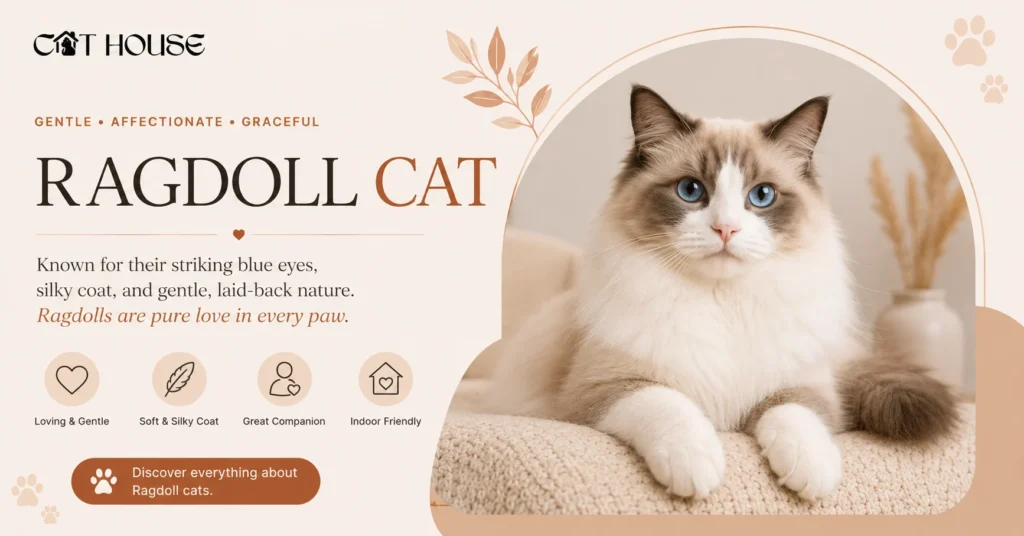
The Ragdoll cat is a popular breed that has bright blue eyes, soft coat, and sweet personality. They are large and loving pets that enjoy spending time with people and often become very relaxed when held. The Ragdoll cat breed is friendly, calm, and a great choice for families, seniors, and homes with other pets.
The Ragdoll breed of cat loves staying close to its owners and often follows them around the home. Known for their friendly nature, beauty, and calm temperament, cat breed Ragdoll is a popular choice for indoor pet lovers. This guide covers everything about Ragdoll kittens and adult Ragdoll cats, including care, grooming, health, and lifespan.
History and Origin of the Ragdoll Cat
The Ragdoll cat origin started in California in the 1960s when Ann Baker created this breed with gentle and friendly cats. Ragdolls became popular because of their calm nature and their habit of relaxing when picked up.
Shop the collection
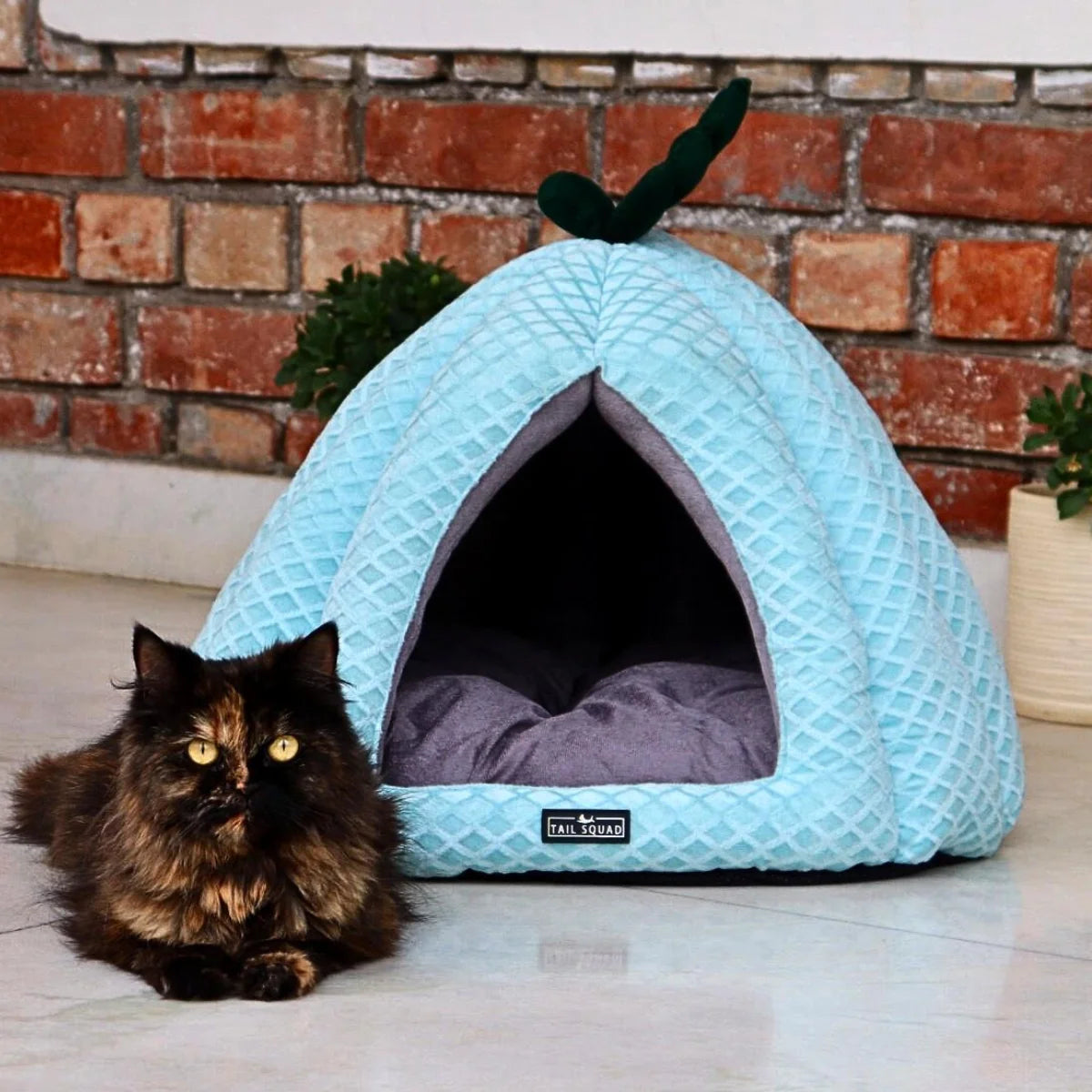
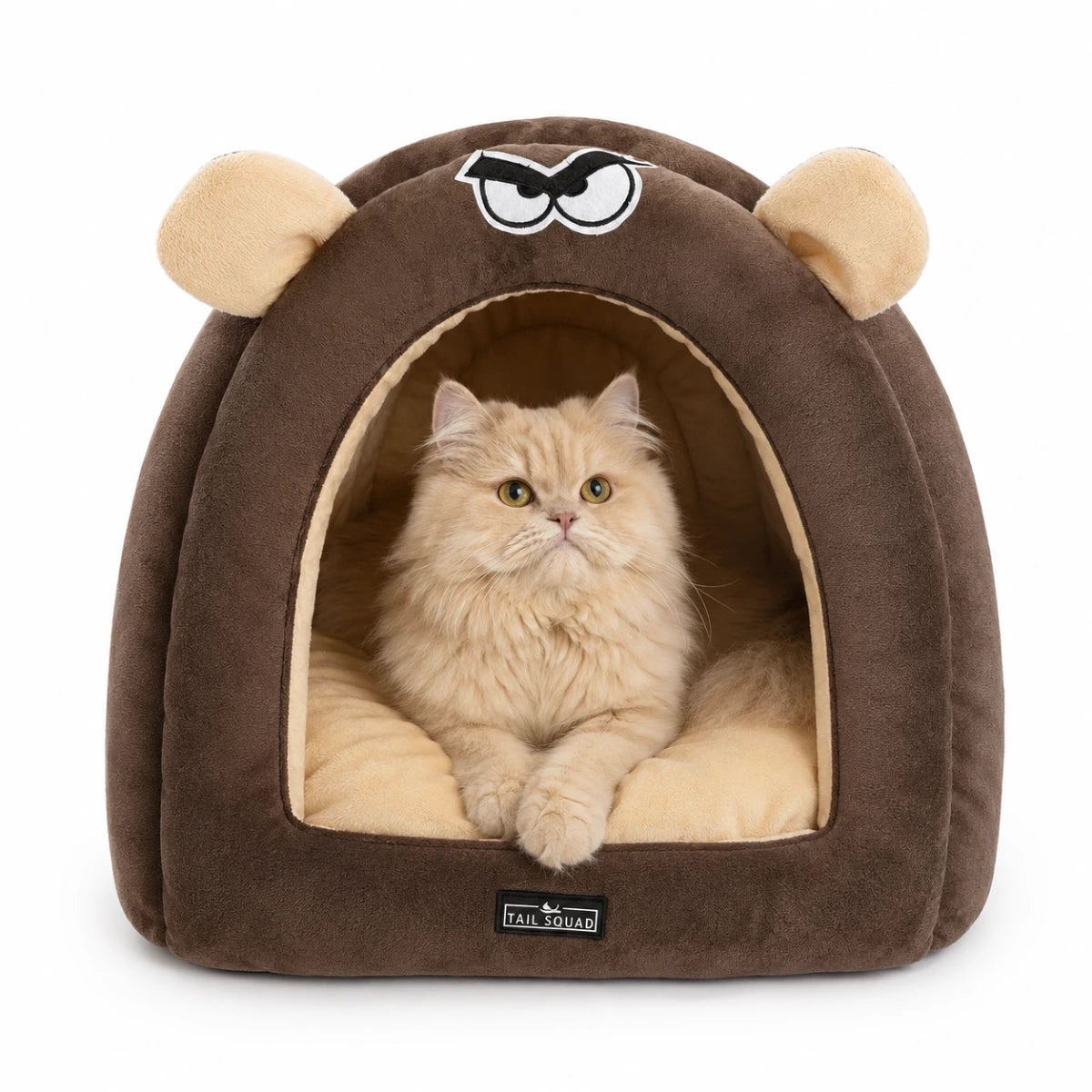

Today, Ragdoll domestic cats are recognised by major cat associations worldwide and are considered one of the friendliest companion breeds. Their affectionate behaviour, combined with their impressive size and striking blue eyes, has made the Ragdoll feline a favourite among families looking for a loyal indoor companion.
Physical Appearance of the Ragdoll Cat
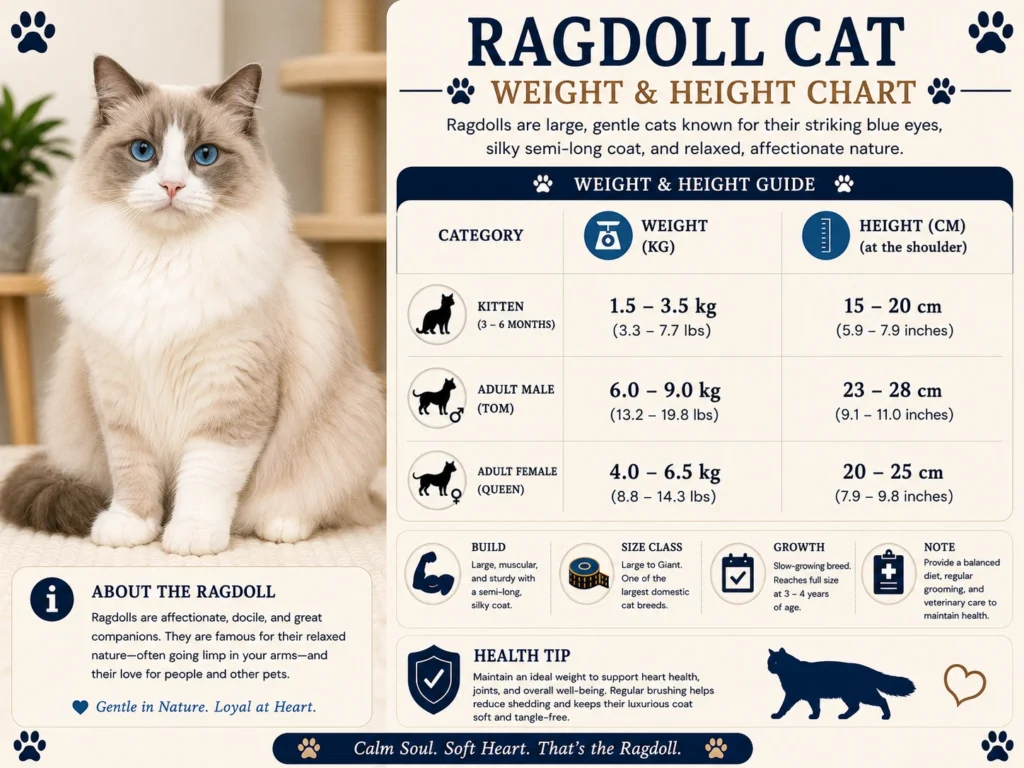
The Ragdoll cat breed is one of the largest domestic cat breeds. It has a long body, a broad chest, and a calm nature. A fully grown adult Ragdoll cat usually weighs 6–9 kg for males and 4–6.5 kg for females. Many people ask, how big do Ragdoll cats get? They grow slowly and can keep growing until 3–4 years old. A large Ragdoll cat has a long body and a fluffy tail
The breed is famous for its soft coat, rounded face, and beautiful Ragdoll cat blue eyes, which make the blue eyed Ragdoll cat easily recognisable.
Ragdoll Cat Colours
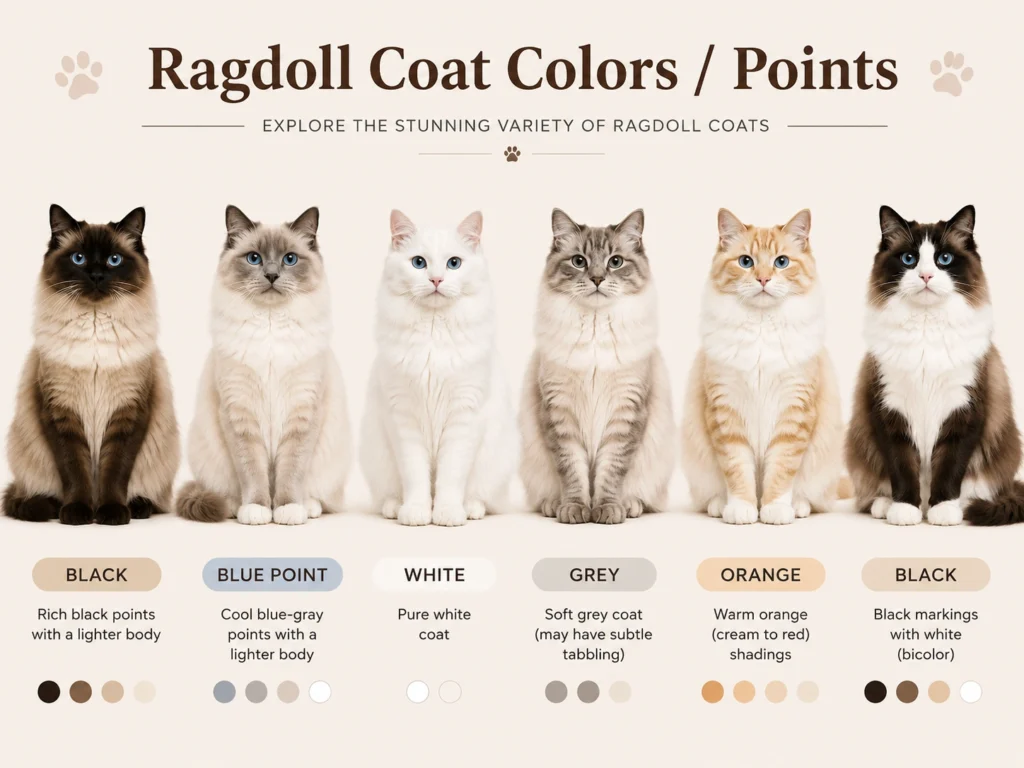
The Ragdoll cat breed is known for its beautiful coat colours. Kittens are born white, and their colour develops as they grow.
Seal (Black)
The black Ragdoll cat has dark seal markings with a light-coloured body. This is the most common and well-known Ragdoll colour.
Blue Point
The blue point Ragdoll cat, also called the Ragdoll blue point cat, has soft blue-grey markings with a light body.
White
The white Ragdoll cat has a pure white coat that gives it a clean and elegant look.
Grey
The grey Ragdoll cat has a light grey coat, sometimes with faint stripes.
Orange
The orange Ragdoll cat, also called a ginger Ragdoll cat, has a light orange coat that becomes darker as it grows.
Black and White
A black Ragdoll cat with white markings has dark patches on the face and body with white areas on the chest, legs, or face, creating a striking look.
Ragdoll Coat Patterns
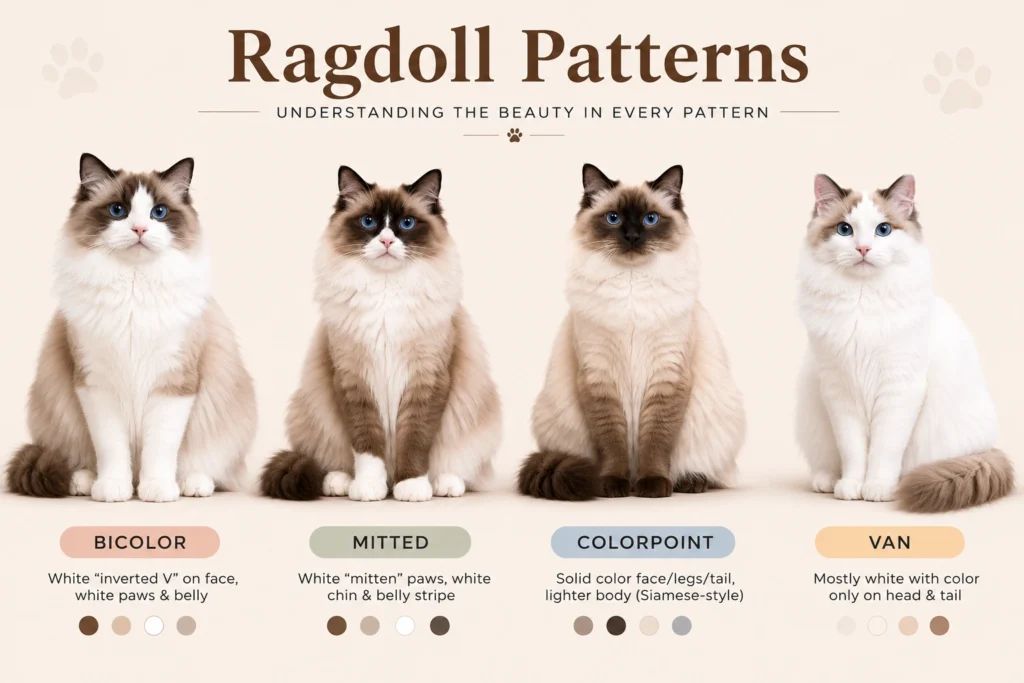
The Ragdoll cat breed comes in four main coat patterns that change how the colour appears on the body.
Colorpoint
The colorpoint Ragdoll cat has darker ears, face, legs, and tail with a lighter body. This is the classic Ragdoll pattern.
Mitted
The mitted Ragdoll cat has white paws, a white chin, and a white stripe on the belly, giving it a neat and attractive look.
Bicolor
The bicolor Ragdoll cat has an upside-down white “V” on the face, white legs, and a mostly white body.
Van
The van Ragdoll cat is mostly white with colour only on the head and tail, making it the rarest of the four patterns.
Ragdoll Cat Personality and Temperament
The Ragdoll cat personality is very gentle and loving. A Ragdoll cat enjoys being with its family and often follows its owners around the house. Their calm nature makes them a great choice for families, singles, and seniors.
One of the best-known Ragdoll cat traits is that many enjoy being held and relaxed in your arms. This is how the breed got its name. Most Ragdoll cats also love cuddling and spending time with their owners.
The Ragdoll cat temperament is calm and friendly. Ragdoll cats like being around their owners but are not very loud. They use soft meows, quickly learn their names, and often wait by the door when someone comes home. With good care and daily attention, a Ragdoll feline becomes a loving part of the family.
Intelligence
Ragdoll cats are smart and easy to train. They can learn simple tricks and enjoy playing with puzzle toys.
Loyalty
The Ragdoll breed of cat forms strong bonds with its family and often follows its favourite person around the house.
Behaviour with Families and Children
A Ragdoll cat with children is gentle, patient, and a great choice as a Ragdoll cat for families.
Behaviour with Other Pets
A Ragdoll cat with dogs and other cats usually gets along well, especially with slow introductions.
Exercise Requirements
Although the Ragdoll cat breed has a relaxed personality, it still needs daily exercise to stay healthy and maintain a proper weight. The Ragdoll cat exercise needs are moderate, with around 20 to 30 minutes of active play each day being enough for most adults.
A Ragdoll house cat enjoys cat trees, tunnels, and scratching posts.
Are Ragdolls Indoor Cats?
Many people ask, are Ragdolls indoor cats? The answer is yes. Because they are trusting and less street-smart than many other breeds, Ragdolls are safest living indoors.
Can Ragdoll cats go outside? Yes, but with supervision, such as on a harness or in a secure enclosure. It is safer to keep Ragdoll cats indoors because they trust people easily.
Training a Ragdoll Cat
Training a Ragdoll cat is easy because they learn quickly with treats and praise. Start Ragdoll kitten care with early socialisation and reward good behaviour. Many Ragdoll cats can also learn simple commands like sit, come, and fetch.
Ragdoll cats don’t like being alone for long. Toys, cat trees, and daily play help keep them happy and active.
Grooming Requirements of a Ragdoll Cat
The Ragdoll cat has a soft, silky coat that is easy to care for. Regular grooming helps to remove tangles and loose hair, and keeps the coat clean.
A proper grooming routine also helps remove loose hair, reduce shedding around the home, and gives owners a chance to check their cat’s skin, ears, and overall health.
Brushing a Ragdoll Cat
Brush Ragdoll cats 2–3 times a week to remove loose hair, prevent tangles, and reduce hairballs. During shedding season, brush more often to keep the coat in good condition.
Areas like the neck, chest, behind the ears, and under the legs need extra attention because these spots are more likely to have tangles.
Bathing and Coat Care
Ragdoll cats only need a bath every few months or when they get dirty. Use a cat-safe shampoo, dry the coat well, and brush it after bathing to keep it smooth.
Ear, Eye, Nail, and Dental Care
Check your Ragdoll cat’s ears and eyes every week, trim the nails every few weeks, and brush the teeth several times a week to keep your cat healthy.
Diet and Nutrition for a Ragdoll Cat
Feed your Ragdoll cat high-quality food with protein, healthy fats, vitamins, and minerals to keep it healthy.
Best Food for Ragdoll Cats
A Ragdoll cat’s diet should mainly contain:
- High-quality animal-based protein
- Healthy fats for skin and coat health
- Taurine for heart and eye health
- Essential vitamins and minerals
- Proper hydration
Both wet and dry food are good for a Ragdoll cat. Wet food adds moisture, while dry food helps keep the teeth clean.
Feeding Ragdoll Kittens
Ragdoll kittens grow slowly and need kitten food until they are fully grown. Their diet should have proper protein, calcium, and other nutrients, with small meals.
Feeding Adult Ragdoll Cats
Adult Ragdolls need a balanced diet and the right portions if they have to have a healthy weight.
- Feed two measured meals each day.
- Keep portions under control.
- Give daily playtime for exercise.
- Provide fresh water at all times.
Foods to Avoid for Ragdoll Cats
Some human foods can be harmful for the cats so avoid them:
- Chocolate
- Onion and garlic
- Grapes and raisins
- Alcohol
- Caffeinated drinks
- Foods containing artificial sweeteners
Always provide cat-safe treats.
Common Health Problems in Ragdoll Cats
Hypertrophic Cardiomyopathy (HCM)
- A heart disease seen in some Ragdoll cats.
- May cause breathing problems or low energy.
Obesity
- Ragdoll cats can gain weight easily.
- Give the correct portions and encourage daily play.
Kidney Disease
- More common in older Ragdoll cats.
- Signs include weight loss and increased thirst.
Urinary Problems
- Some Ragdoll cats may have urinary issues.
- Fresh water every day is important.
Dental Disease
- Gum and teeth problems can occur.
- Brush the teeth regularly.
Are Ragdoll Cats Hypoallergenic?
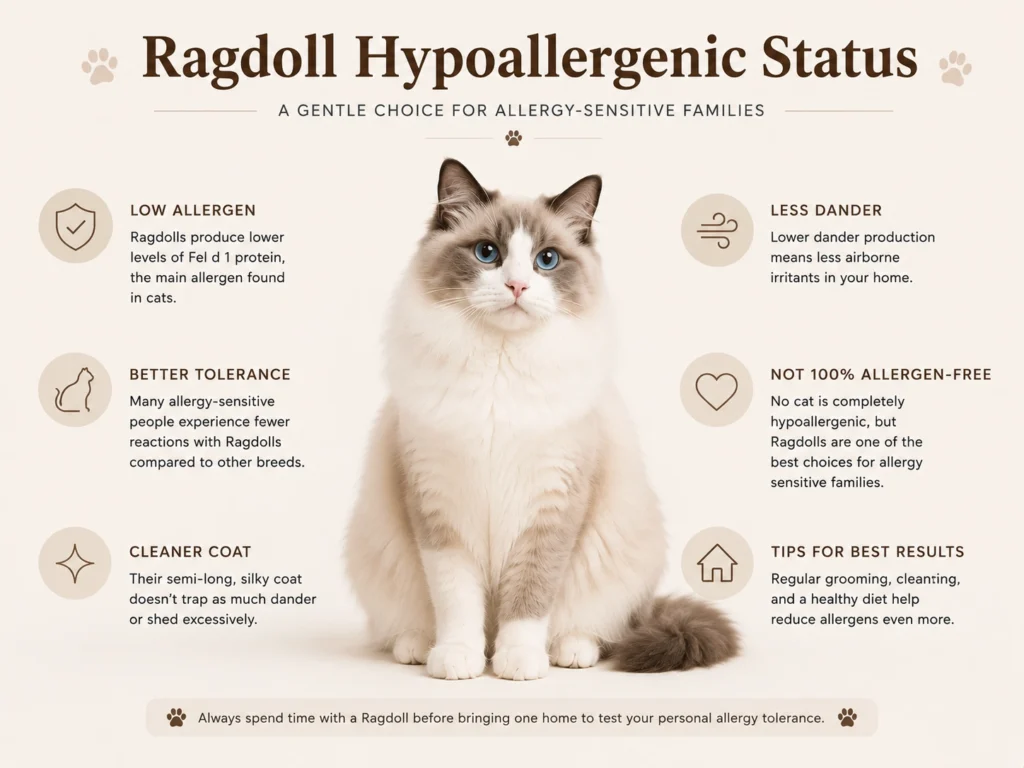
Ragdoll cats are not hypoallergenic. They still produce the Fel d 1 protein that causes cat allergies.
People with mild allergies may have fewer reactions, but it depends on the person.
Common allergy symptoms:
- Sneezing
- Itchy eyes
- Runny nose
- Skin irritation
Regular brushing and cleaning can help reduce allergens around the home.
Ragdoll Cat Lifespan
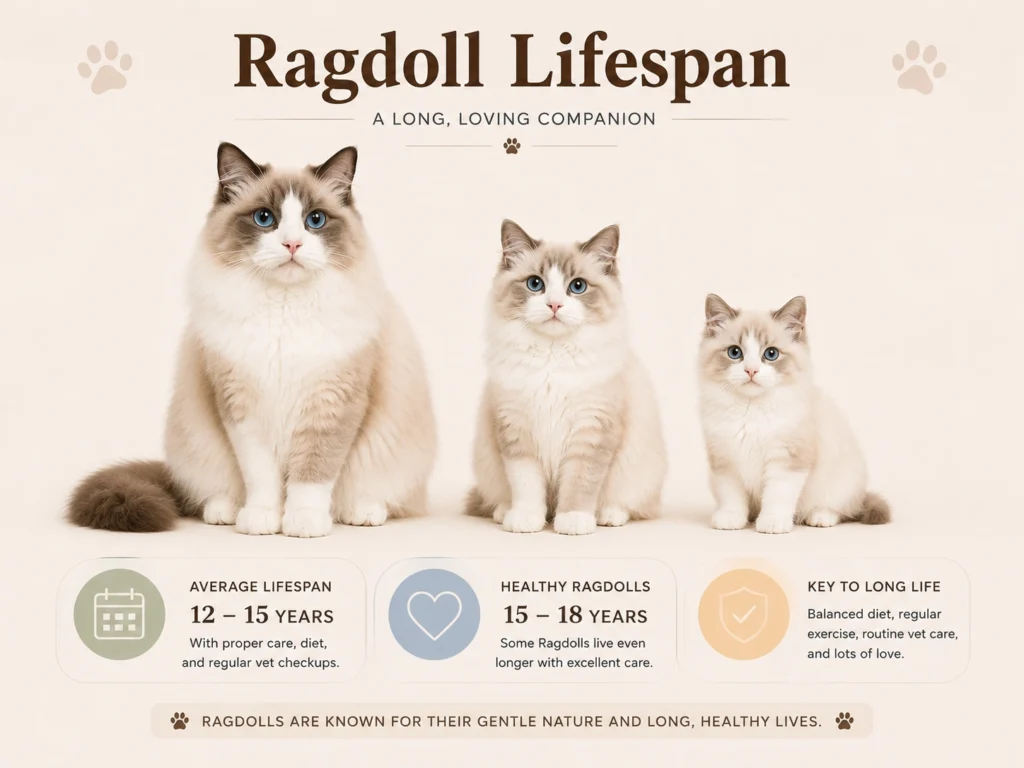
A Ragdoll cat usually lives 12–17 years and may live longer with good care.
A longer Ragdoll cat lifespan depends on:
- A healthy diet
- Regular vet check-ups
- Exercise and a healthy weight
- Safe indoor living
Good food, regular grooming, and daily care help Ragdoll cats live a long and happy life.
Ragdoll Kittens
Ragdoll kittens are gentle, friendly, and love being around people. They need:
- Good-quality food
- Proper vet visits
- toys
- Regular grooming
Ragdoll kittens take longer to mature than many other cats and are fully grown at about 3–4 years. Early training makes everyday care easier.
Ragdoll Cat Price
The Ragdoll cat price is not the same everywhere. It changes with the breeder, bloodline, and coat colour. Ragdoll kittens from good breeders often cost more. Blue point Ragdoll cats, seal point Ragdoll cats, and colourpoint Ragdolls can also have different prices.
Ragdoll Cat Adoption Guide
Think about:
- Time for your cat
- Grooming
- Food and vet bills
- A safe indoor home
Ragdoll cats are happiest in homes where they are given attention.
Popular Ragdoll Cat Mixes
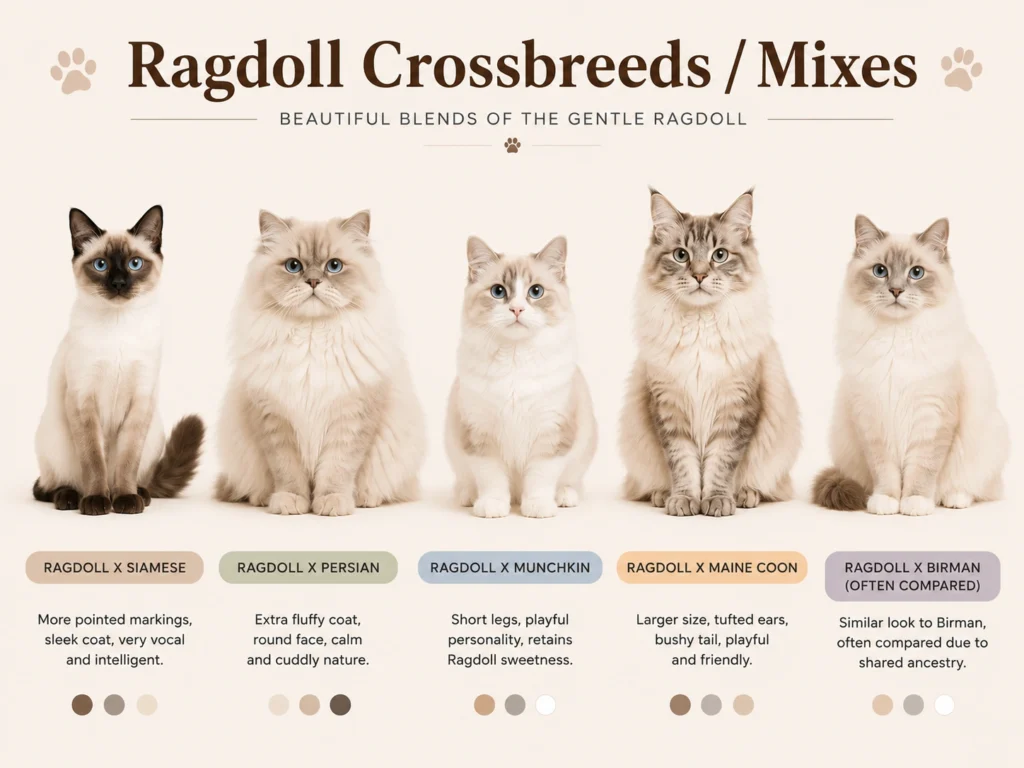
- Ragdoll Siamese Mix – Often has Siamese colours with the gentle nature of a Ragdoll.
- Ragdoll Persian Mix – Usually has a fluffy coat and a calm personality.
- Ragdoll Maine Coon Mix – A large cat with a thick coat and friendly nature.
Every Ragdoll mix is unique and may inherit different traits from both parents.
Is a Ragdoll Cat Right for You?
A Ragdoll cat is a great choice if you want a cat that is:
- Friendly and affectionate
- Calm and gentle
- Good with children and other pets
- Happy living indoors
Ragdoll cats need daily attention and do not like being left alone for long periods.
FAQs
- Are Ragdoll cats good family pets?
Yes. Ragdoll cats are gentle, friendly, and get along well with children and other pets.
- Are Ragdoll cats indoor cats?
Yes. Ragdoll cats are happiest indoors, where they stay safe from traffic, diseases, and other dangers.
- Do Ragdoll cats like to be held?
Many Ragdoll cats enjoy when they are held and cuddled, but every cat has its own nature and preferences.
- How much grooming does a Ragdoll cat need?
Brush your Ragdoll cat 2–3 times a week to remove loose hair and prevent tangles.
- How long do Ragdoll cats live?
A healthy Ragdoll cat usually lives 12–17 years with good care.
Final Thoughts
The Ragdoll cat is a calm breed that has a soft coat and is known for its beautiful blue eyes. Good care, proper food, and regular grooming help Ragdoll cats stay healthy and make them loving pets for families and individuals.